Mooncakes and New Year Rice Cakes for the Big Holidays
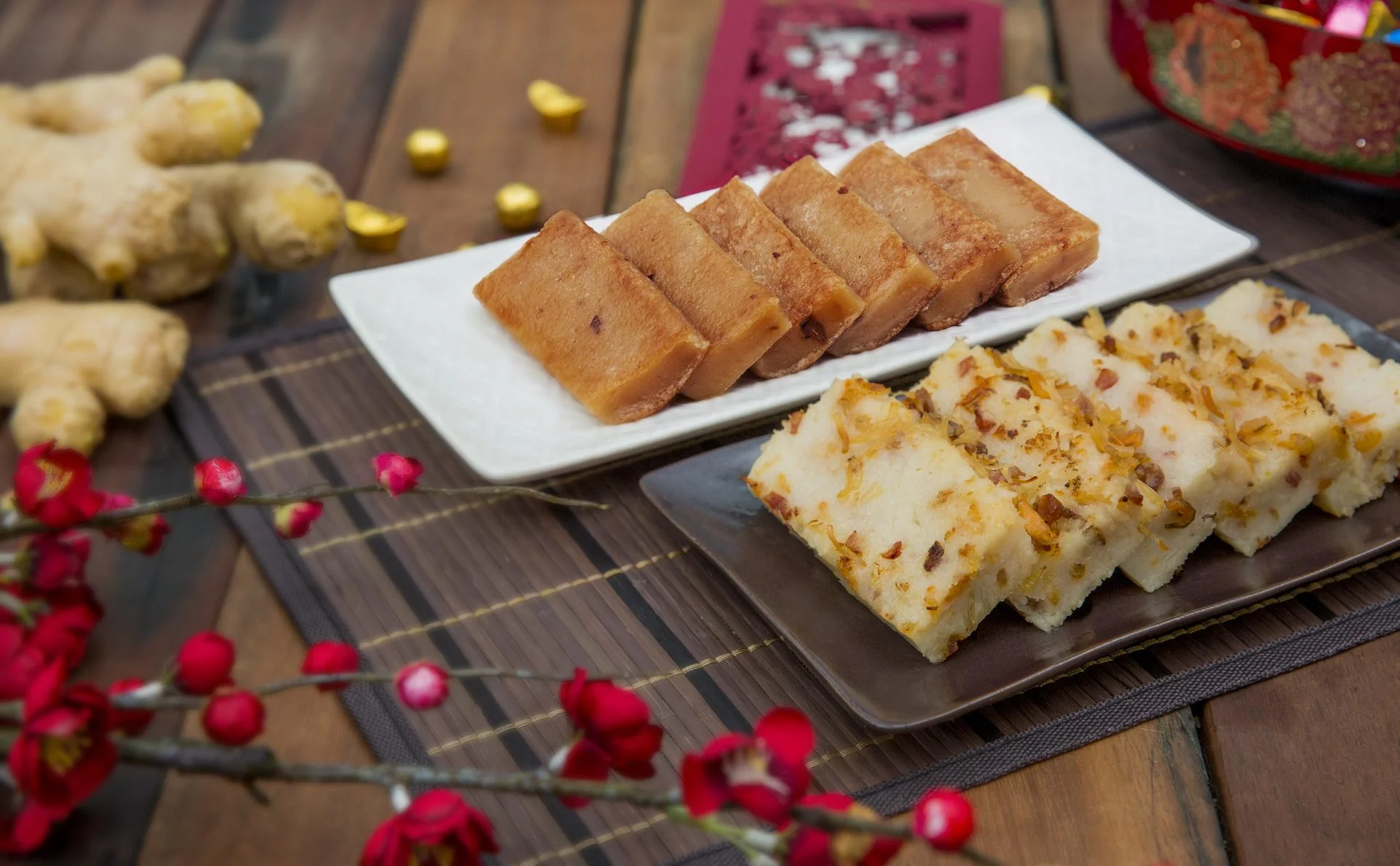
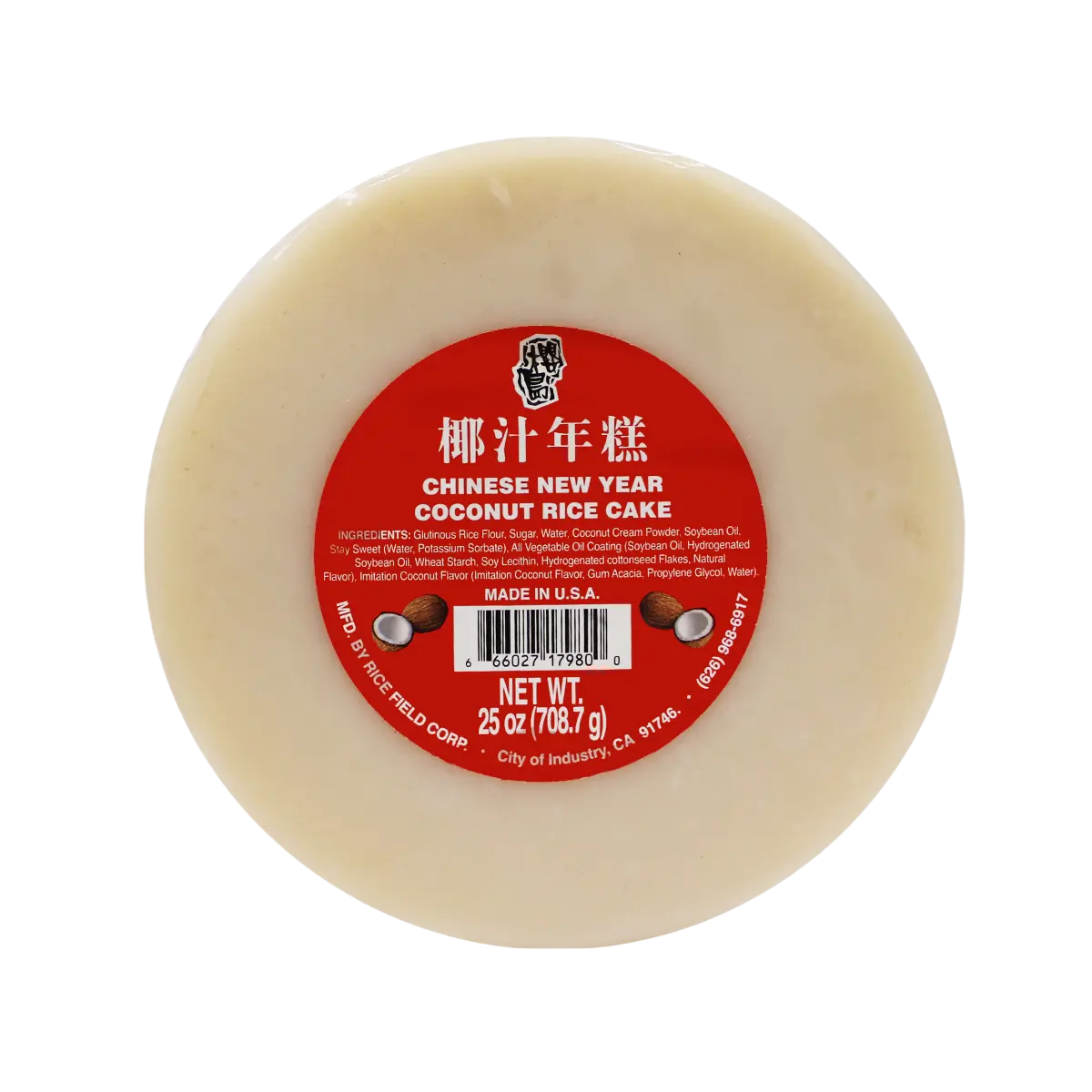
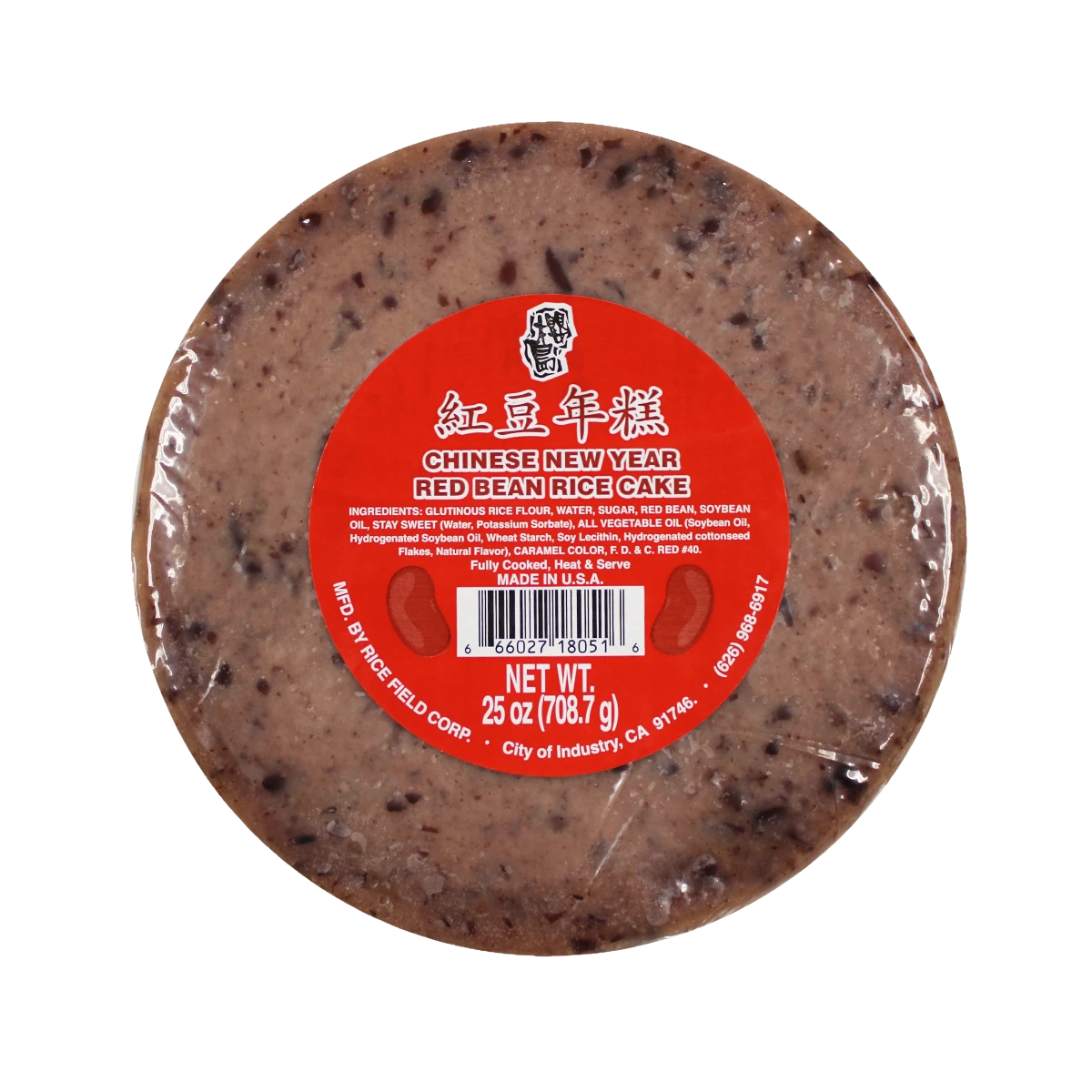
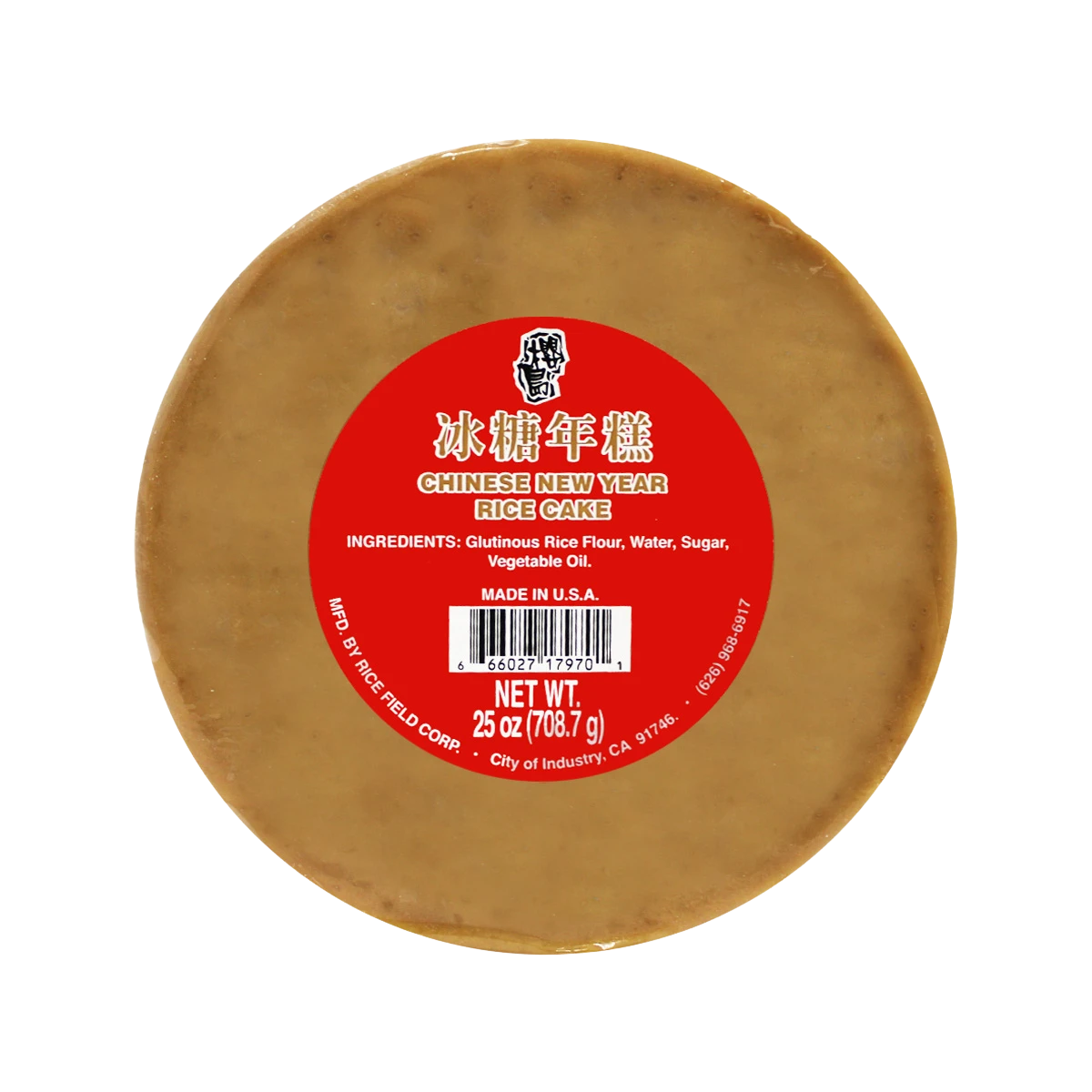
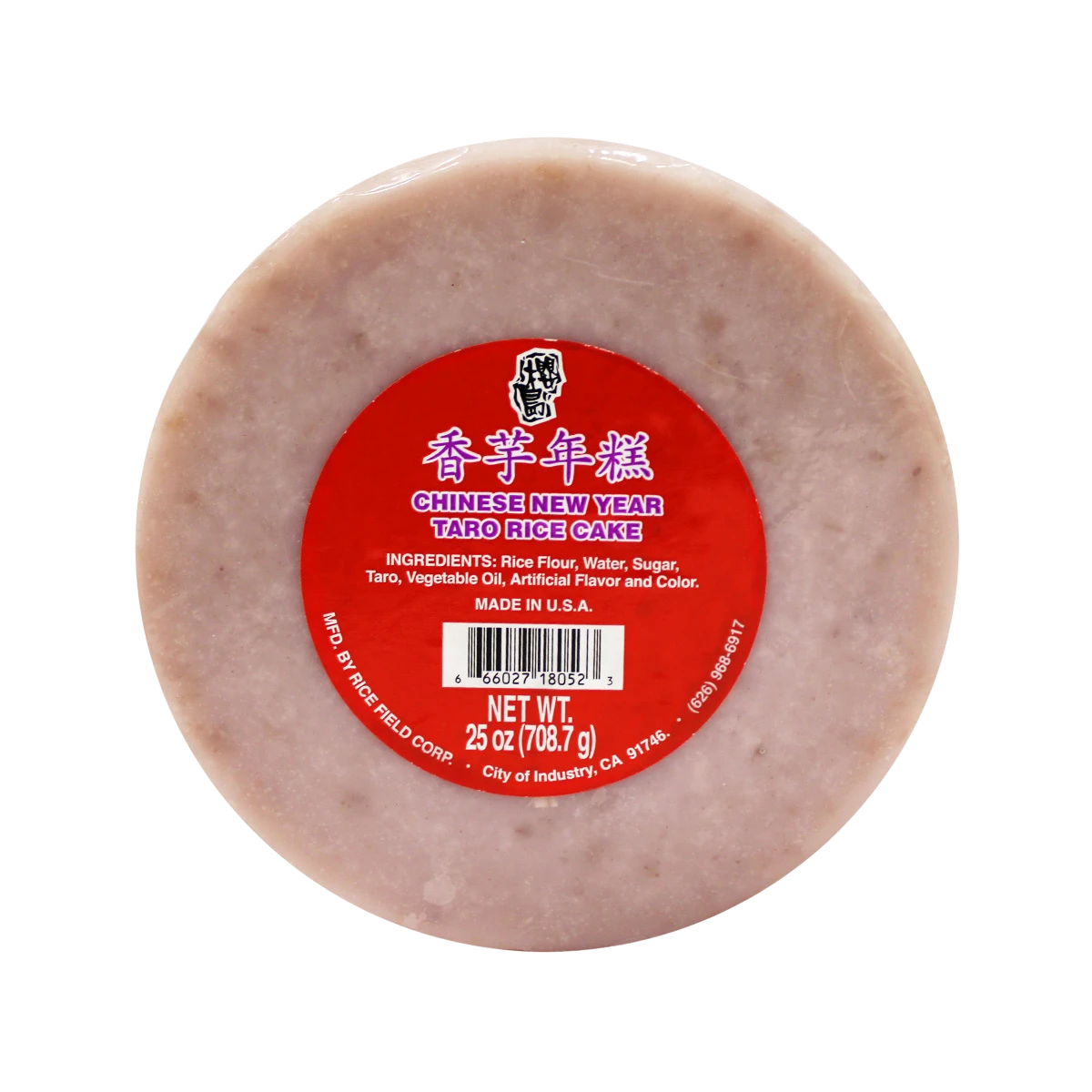
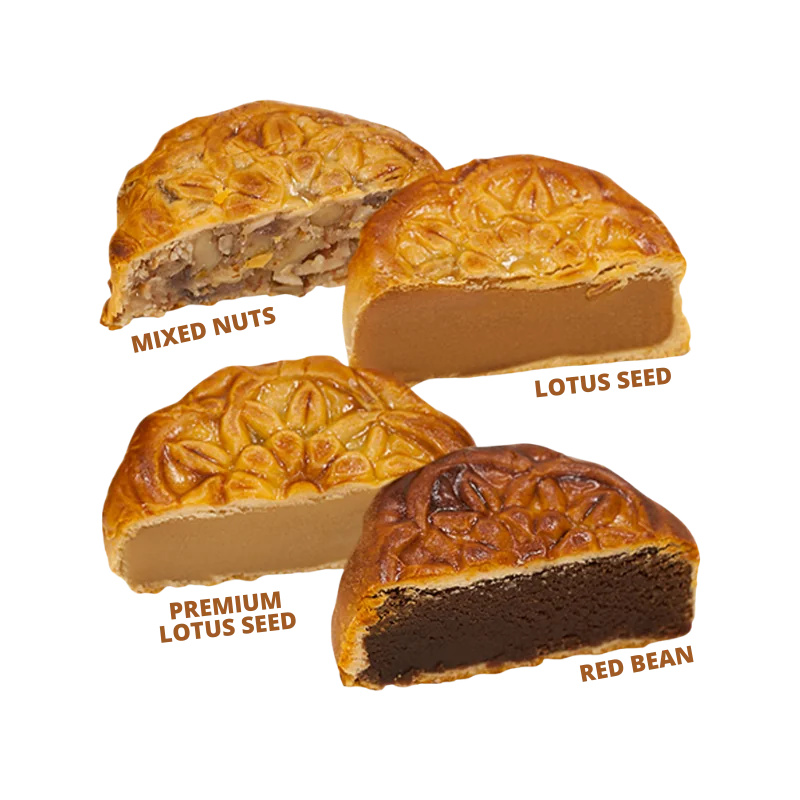
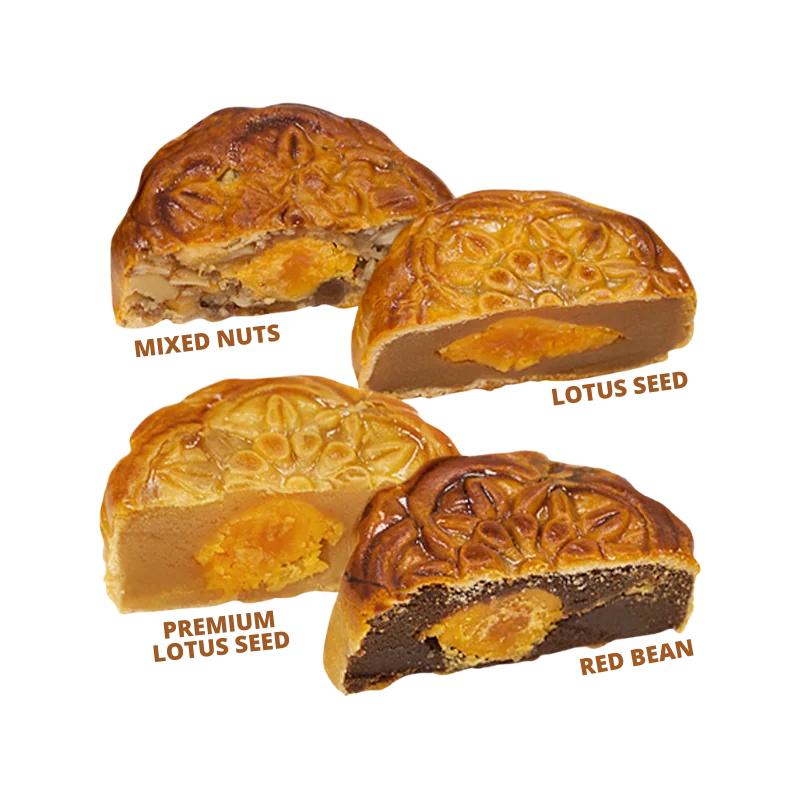
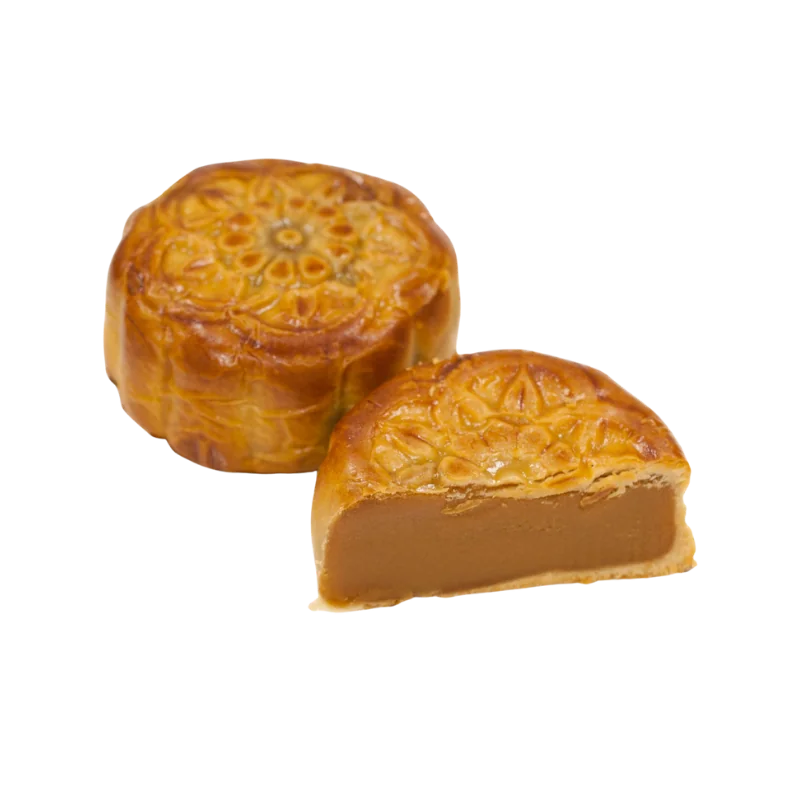
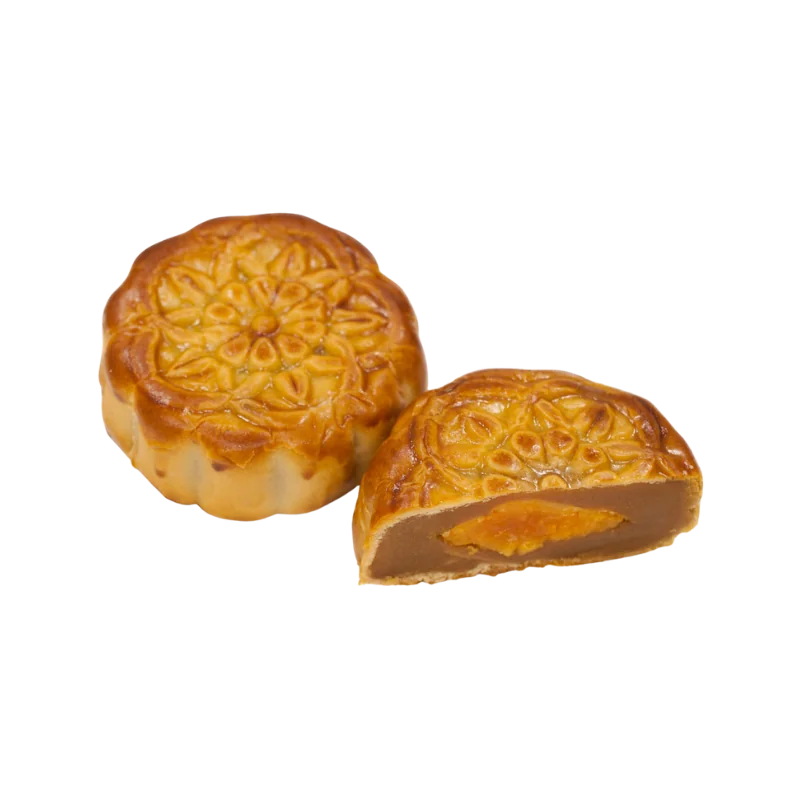
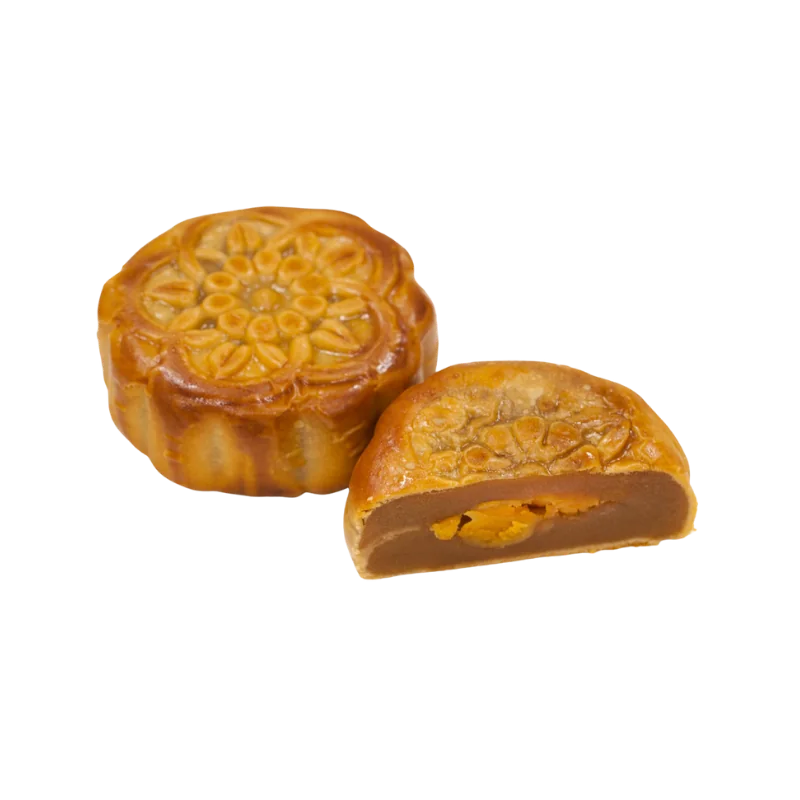
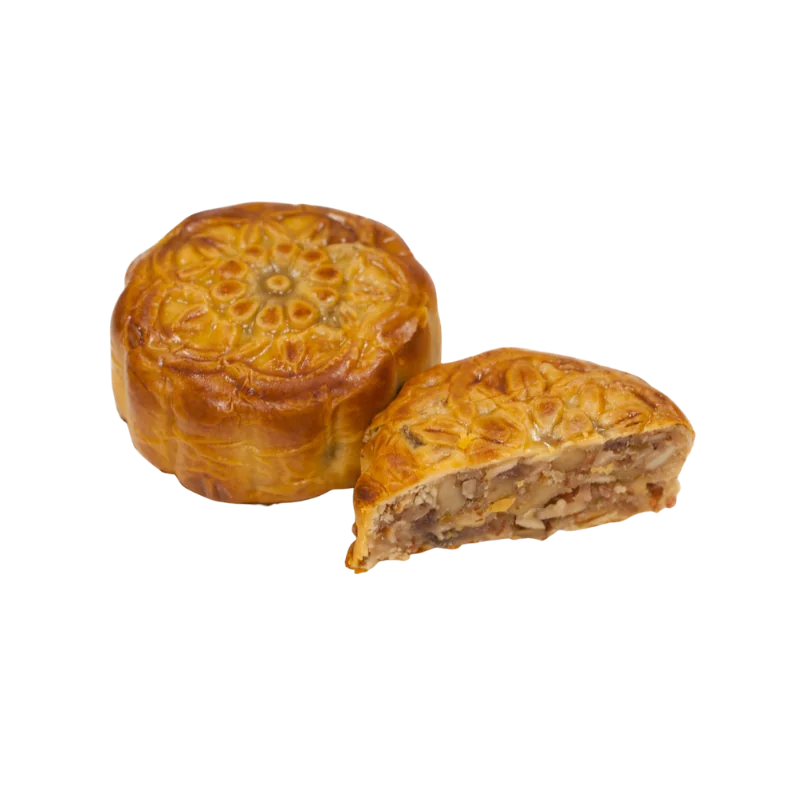
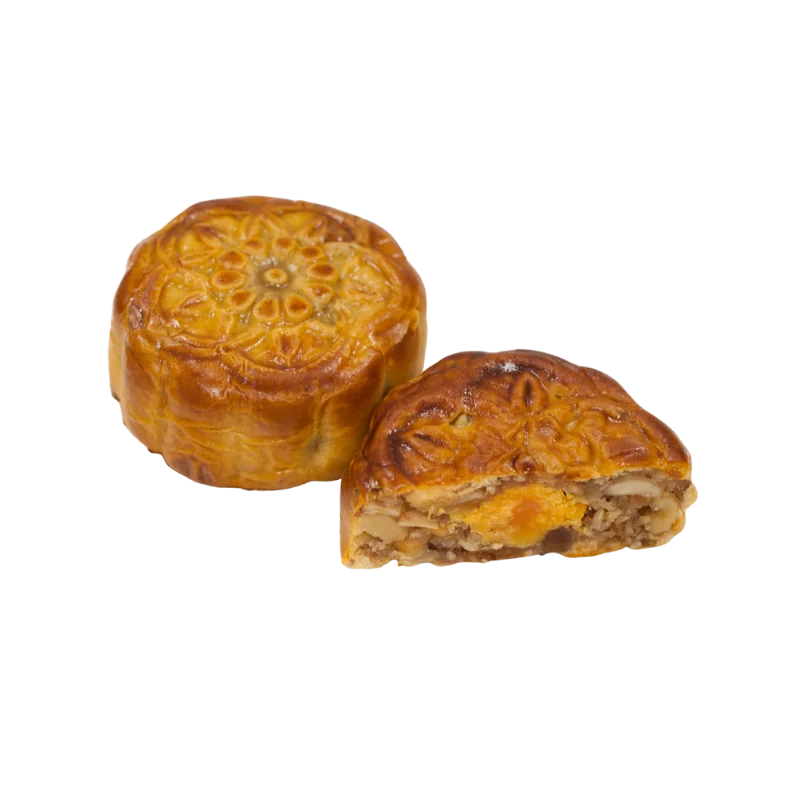
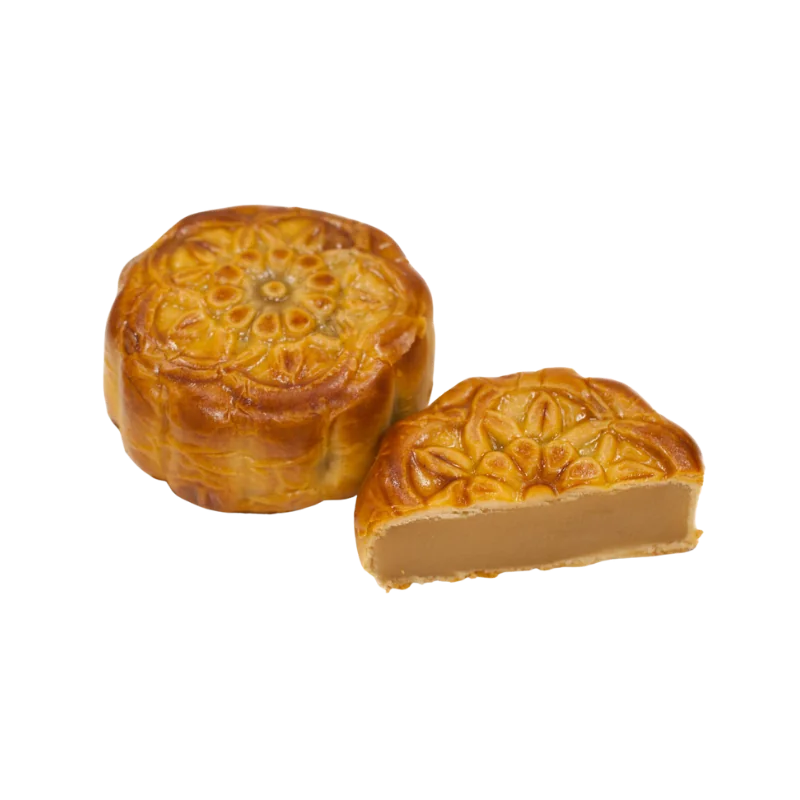
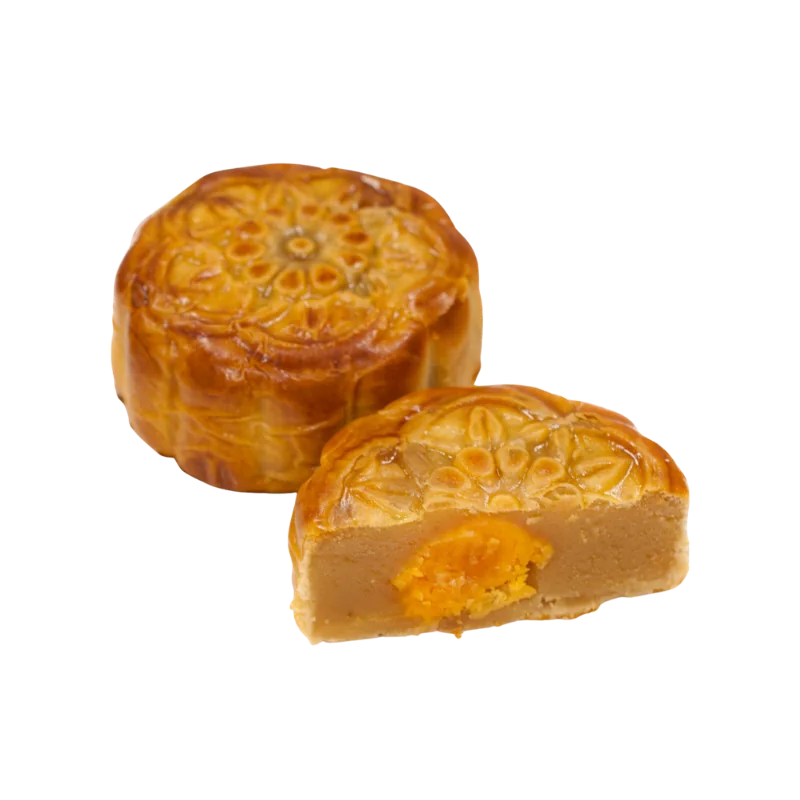
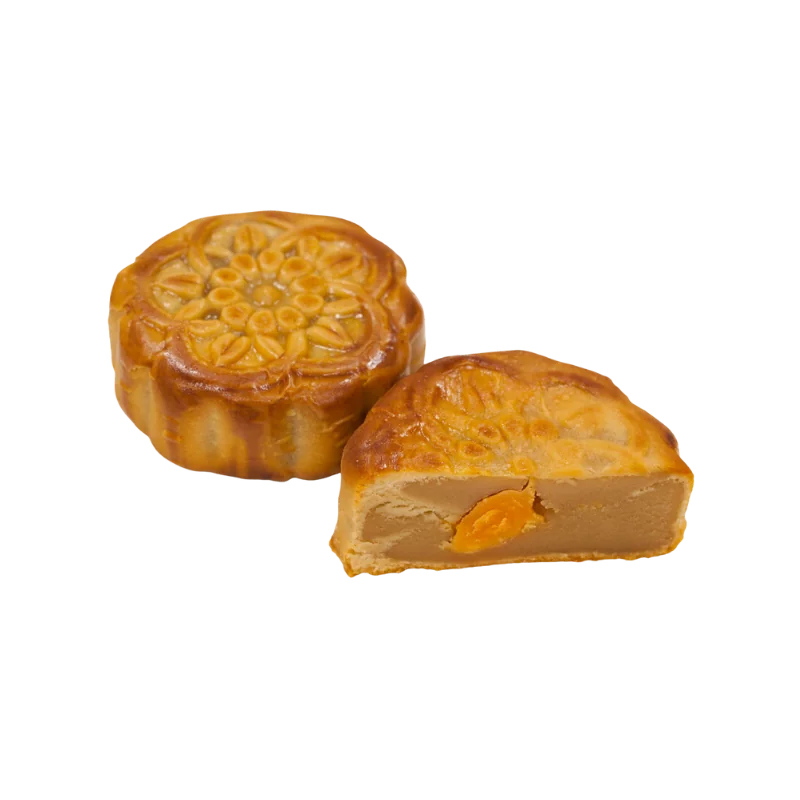
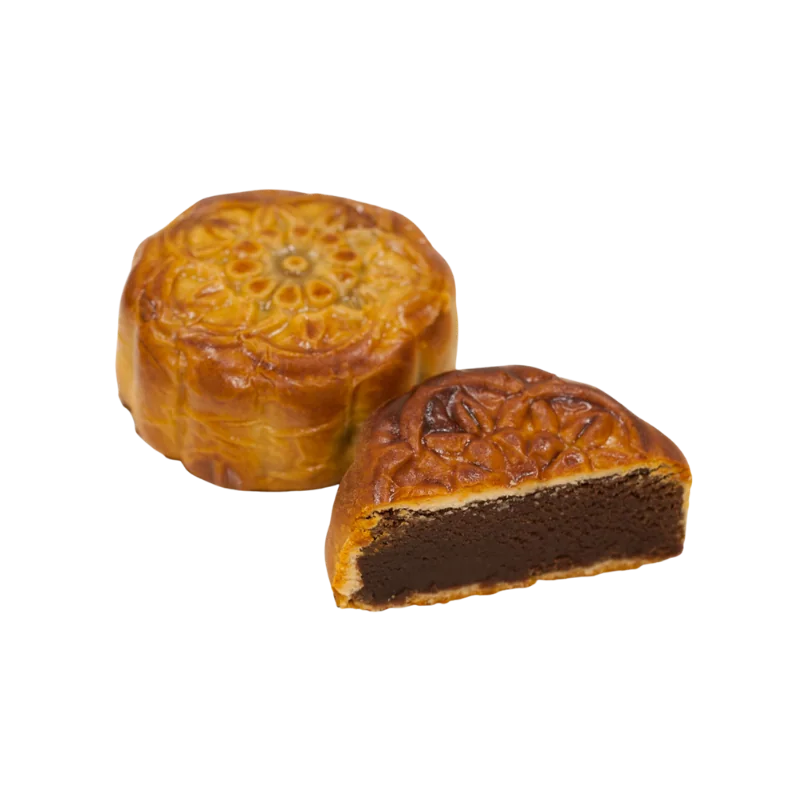
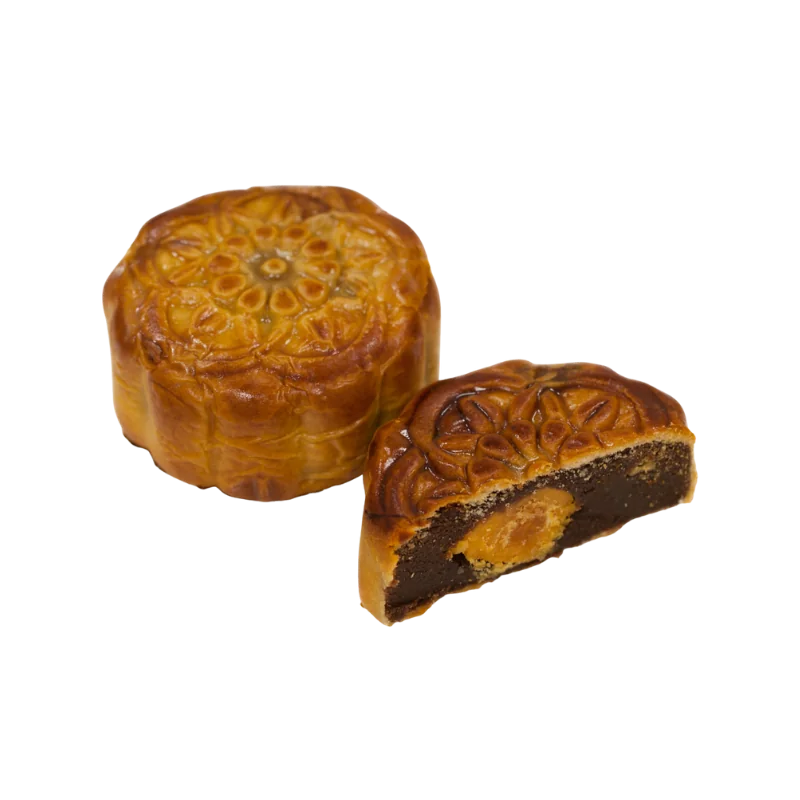
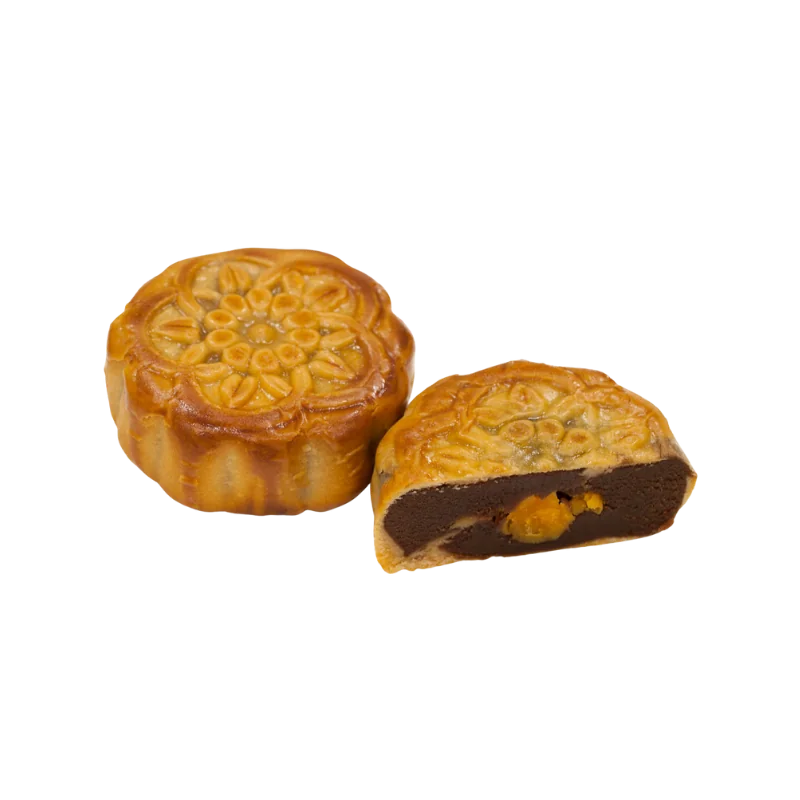
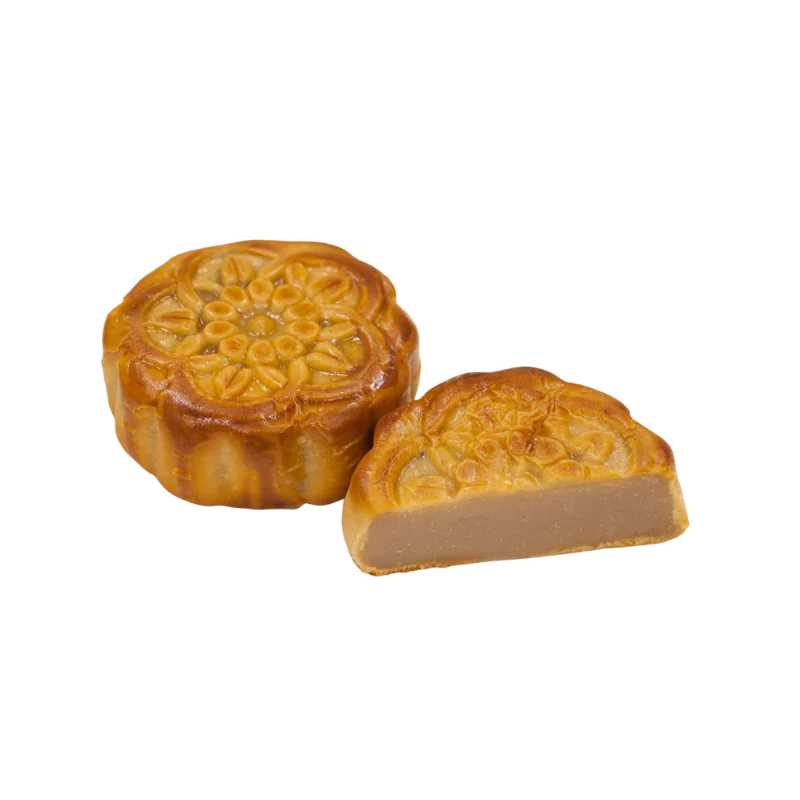
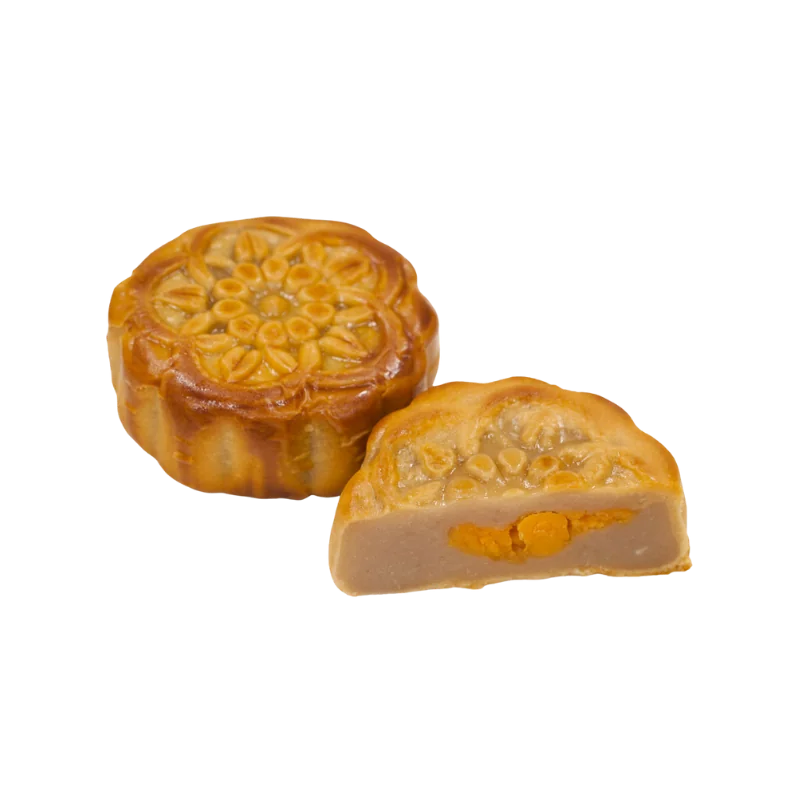
The seasonal range covers the two celebrations that call for something special. For Mid-Autumn, there are Quê Hương mooncakes in lotus seed, red bean, taro, and mixed nuts, with single or double salted egg yolks and premium versions. For Lunar New Year, there are rice cakes, nián gāo, in plain, red bean, taro, and coconut.
Mooncakes are meant to be sliced into small wedges and shared with tea, the salted yolk standing in for a full moon. The New Year rice cakes are sliced and pan-fried until soft and golden, or steamed, a sticky-sweet treat that symbolizes a higher, better year. Both make traditional gifts for family and friends.
These items follow the calendar, so mooncakes arrive around Mid-Autumn in early fall and rice cakes around Lunar New Year in late winter. Buy them in season, keep them stored as the package directs, and serve the rice cakes fresh off the pan.
Find these at Asian grocery stores across the United States. See our Where to Buy page for a store near you, or contact us about wholesale and case orders.
Frequently Asked Questions
When are mooncakes and New Year rice cakes available?
Mooncakes come around the Mid-Autumn Festival in early fall, and the rice cakes, or nián gāo, come around Lunar New Year in late winter.
How do you serve mooncakes?
Slice them into small wedges and share them with tea. Each cake is rich, and the salted egg yolk represents the full moon.
How do you cook New Year rice cake (nián gāo)?
Slice it and pan-fry each side until soft and golden, or steam it until tender. It is sticky and sweet, eaten as a holiday treat.
What kinds of mooncakes do you carry?
Lotus seed, red bean, taro, and mixed nuts, with single or double salted egg yolks, plus premium versions.
Recipes to try: Fried Chinese New Year Rice Cake
New to mooncakes? Read our mooncake guide: flavors, egg yolks, and Mid-Autumn 2026.